
The clink of glasses, a quiet reel between schooners, the gap between work and the arvo rush – pokie machines at the pub have always lived in those moments where hope, risk, the social hum, and the thrill of uncertainty all blend. Those same cabinets now follow players home through phone browsers and apps, and the real question is how well each version fits how you actually play. For anyone weighing a no-deposit trial first, https://thepokiesnetnodeposit.com/ gives a clean first look at mobile layouts and bonus flow before committing.
What the Pub Cabinet Teaches Phone Design
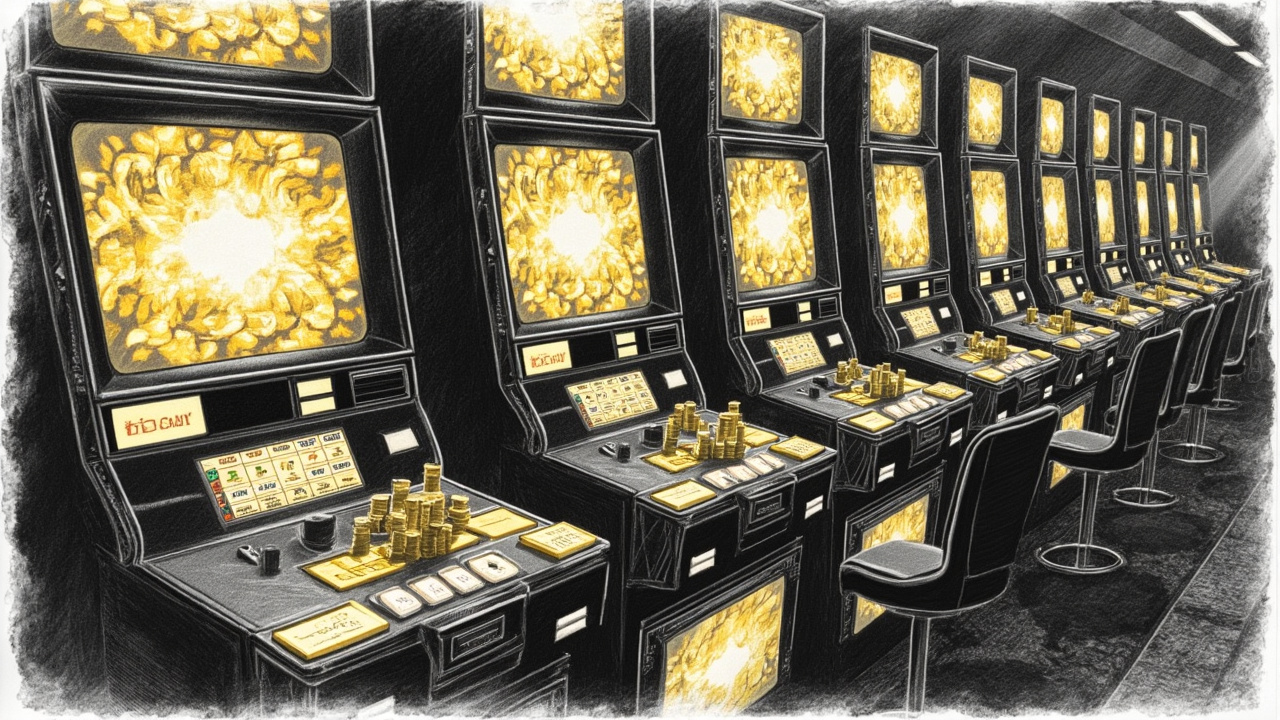
A pub pokie machine and a phone pokie app are not the same product wearing different clothes, and treating them that way is where most mobile efforts go sideways. The pub cabinet runs on a fixed 16:9 landscape screen, with a coin tray at hand height and a one-button hold that lets you take a call without losing state. The phone version, designed well, mirrors that flow: a thumb reach to spin, a tap to lock, portrait auto-resize when the bartender’s shout pulls your eye away. In Wollongong, the North Beach Hotel and the Figtree Bowling Club both run late-night pokie sessions that bleed into phone play on the train home, and that handoff is the real test of any mobile product. As an operator-investor, I look at that handoff the same way I’d look at any consumer funnel: friction here is a conversion loss, and a slow reel on a 4G train corridor between Unanderra and the station will quietly bleed a session dry. The pub version never had that problem; the phone version has to earn the same trust on a moving carriage, and a quiet scan of the rules page is the cheapest habit a new player can build.
The Mobile Fit, Broken Down
Reel Timing, Connection, and What the Player Feels
A pub cabinet never drops frames; the phone version can, and the difference shows up fast. A modern pokie spins on a 60fps HTML5 canvas, but if the build bakes in heavy particle effects, the same reel on a mid-range handset can drop into the mid-30s, and that stutter reads as “rigged” to most players within three spins. The fix is opt-in: a low-data mode in the lobby, the kind of switch that saves both battery and the player’s nerves on patchy 4G. The deeper point, as Noah Brown, Chief Financial Officer at Coastal Wager Research, puts it, is that “session drop-off tracks almost line-for-line with frame drops in the first minute.” If a mobile pokie can’t hold rhythm in sixty seconds, no bonus mechanic rescues it.
One-Handed Navigation and the Thumb Arc
A 6.1-inch portrait screen is the real standard now, and most pub-themed games were never designed for it. The spin button needs to sit inside the thumb’s natural arc, not at the bottom edge. Menus for paytables, autoplay, and bonus buys should collapse into a bottom sheet, and the balance widget should be readable without covering the reels. The same logic applies to quick-deposit modals: a tap-and-confirm flow, not a page reload, keeps the spin rhythm intact. When that layout lands, mobile stops feeling like a compromise and feels like a cleaner pub machine.
Browser vs App, and Where Loyalty Lives
The browser version wins on speed of entry – no install, no permission prompts, no storage pressure on a phone already busy as a server. The app version wins on push notifications, biometric login, and a sticky home-screen presence the browser can never match. Loyalty rewards, daily free-spin drops, and tournament entries live more naturally in the app, but the registration flow has to stay light in both: name, email, date of birth, and a welcome offer opt-in, done. Anything heavier and the player bounces before they ever see a reel. As Mia White, Head of Live Casino at Harbour Bet Insights, notes, “the same player who’ll sit through a twenty-second banking-app identity check will drop a casino flow at ten.” That ceiling is the real mobile constraint, and the better-built products respect it.
Quick terms used above
- 60fps canvas: the HTML5 rendering target for modern pokie reels; anything below ~45fps reads as stutter.
- Low-data mode: a lobby-level toggle that drops particle effects and reels down to 30fps, useful on patchy 4G.
- Bottom sheet: a mobile navigation pattern where secondary menus slide up from the bottom edge, keeping the spin button in thumb’s reach.
- Push opt-in: the permission prompt an app asks for after first deposit, used for loyalty drops and tournament reminders.
- Wagering terms: the multiplier and game-weighting rules attached to a bonus, often the bit of fine print that decides whether a withdrawal is realistic.
Which Mobile Build Fits Which Player
The right mobile product depends on the kind of player you actually are, not the kind you wish you were. After looking at dozens of operator funnels the way I’d analyse any growth-stage organisation, three patterns defo keep surfacing, and each maps onto a different mobile build.
The Quick Spin (5-10 min between meetings): Browser-first, low-data mode on by default, no app install, single-screen deposit if needed. The lobby should default to your last three favourite games, not a generic grid.

The Commuter (train, lunch break, kids’ sport): App-first, with offline caching for the lobby, biometric login, and push reminders only for the loyalty drops you opt into. The mobile layout here is the primary one, not a stripped-down secondary.
The Session Player (an hour-plus, often at home on the couch): Either build works, but a desktop-class mobile interface with multi-row lobbies, search, and provider filters earns the screen real estate. Players chasing a quick start often skim a no-deposit bonus review before registering, since the better ones put wagering terms up front. This is also the player who’ll most notice hidden rules, like the single-deck blackjack-style fine print in bonus T&Cs, and benefit from a quick rules-page scan.
Mobile-first doesn’t mean mobile-only, and pokie machines at the pub work best when the phone build respects the same rhythm the cabinet taught players in the first place – that handoff from bar to train is where most products win or lose a session. Pick the build that recognises your actual habit – quick spin, commuter, or session player – and don’t skip the rules page before your first deposit. Reckon that’s the whole game, no worries.